Google Ads and Analytics use Consent Mode. If you Reject, limited cookieless page-view and conversion signals support modelled measurement. If you Accept, your submitted email and optional phone are hashed for ad measurement.Privacy Policy

Chat on WhatsApp
Skip to main content

Loft Conversion Design & Planning

Transform your unused loft into a stunning bedroom, home office or playroom. Our architectural designers produce planning drawings and building regulation drawings prepared for Building Notice submission, with structural calculations by an independent qualified structural engineer, for loft conversions across Hampshire.

Have a hipped roof? Read about hip-to-gable loft conversion design.

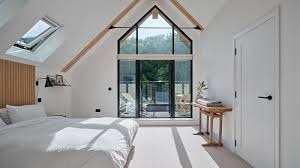
Loft conversion bedroom with vaulted ceiling and rooflight

Room to grow

Unlock the potential above your existing home.

Quick answers

How much does loft conversion design cost?
Pre-Build £1,950 + VAT, Premium £2,950 + VAT and Premium Plus £3,950 + VAT.
What is included?
Each package includes a measured survey, planning drawings and application, building regulations drawings, and calculations by an independent qualified structural engineer.
How do I know which planning route applies?
The route depends on the property and proposed scheme. Our free feasibility check identifies the likely route.
Where do you work?
We cover Hampshire, Berkshire, Surrey, Buckinghamshire, Oxfordshire, Wiltshire, West Sussex and Hertfordshire from our St Albans office.
What is the approval record?
Our planning approval rate is 95%.

How much will your loft conversion cost? And will you need planning?

Start your free Feasibility Check

Types of Loft Conversion

The right type depends on your roof shape, head height, budget and planning constraints. We'll advise you during your Free Feasibility Study.

Velux (Rooflight)

The most affordable option — internal conversion with roof windows. No external alterations to the roofline, making it ideal where permitted development rights apply.

Lowest cost option
Usually no planning needed
Minimal disruption
Quick turnaround

Best for: Homes with good existing head height

Dormer Loft Conversion

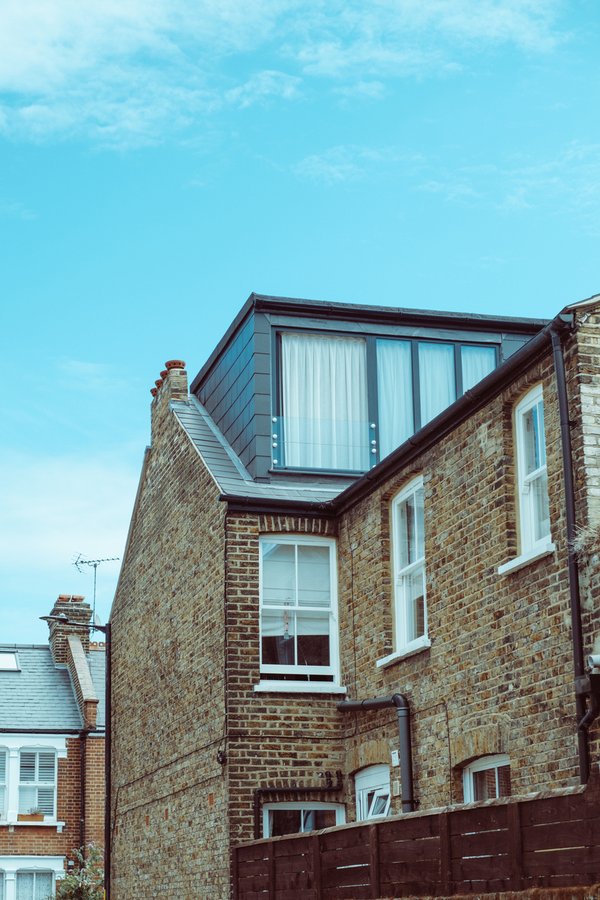
The most popular type in Hampshire. A box-shaped extension projects from the rear roof slope, creating full standing height and usable floor space across the loft.

Maximum usable space
Often under PD rights
Full head height
Most popular choice

Best for: Most family homes needing extra bedrooms

Hip-to-Gable

Converts the sloping hip end of a roof into a vertical gable wall, dramatically increasing the internal loft space. Often combined with a rear dormer.

Transforms hipped roofs
Major space increase
Can combine with dormer
Changes roofline

Best for: Semi-detached and detached homes with hipped roofs

Mansard Conversion

A substantial roof alteration with a steep wall and flatter roof above. Assess usable space, structure and the street scene; planning permission is generally required.

Steep roof form
Substantial roof alteration
Property-specific design
Planning checks required

Best for: Properties needing maximum space, period homes

Is Your Loft Suitable?

Not every loft can be converted. Here's what we check during your complimentary feasibility assessment.

Key Suitability Factors

Head Height

Minimum 2.2m from floor joist to ridge is ideal. Less than this and a dormer or mansard may be needed.

Roof Structure

Traditional cut timber roofs are easier to convert. Trussed roofs need input from a qualified structural engineer.

Staircase Position

You need space for a compliant staircase — often taken from a landing or small bedroom.

Chimney Breast & Services

Central chimney breasts, water tanks and boiler flues may need relocating.

Planning & Building Regulations

Permitted Development

Many rear dormers and Velux conversions fall under PD rights — no planning application needed. Volume limits apply: 40m³ for terraced houses, 50m³ for detached/semi-detached.

When Planning is Required

Front-facing dormers and mansard alterations generally need a planning application. A hip-to-gable conversion may qualify for permitted development if all conditions are met. Conservation areas, listed buildings and Article 4 Directions need property-specific checks.

Building Regulations (Always Required)

Every loft conversion needs building regulations approval covering: structural integrity, fire escape routes, sound insulation, thermal insulation, staircase design and means of escape.

Fire Safety: Loft conversions create a 3-storey dwelling. Building regs require protected escape routes, fire doors, smoke detection and sometimes mains-powered interlinked alarms.

Loft Conversion Costs

Design packages start from £1,950 + VAT.

Our Design Fees

Velux / Rooflight Conversion From £1,950 + VAT
Rear Dormer Conversion From £1,950 + VAT
Hip-to-Gable + Dormer From £1,950 + VAT
Mansard Conversion From £1,950 + VAT

Includes planning drawings, building regulation drawings prepared for Building Notice submission and structural calculations by an independent qualified structural engineer

Building work and your budget

Roof structure and stairs Property-specific assessment
Insulation and fire safety Confirm the technical scope
Fit-out and finishes Choose your specification
Construction Obtain a contractor quotation

Compare written scopes, exclusions and VAT treatment before appointing a contractor.

Frequently Asked Questions

Our package fees are Pre-Build £1,950 + VAT, Premium £2,950 + VAT and Premium Plus £3,950 + VAT. Compare the packages page for scope.

Many loft conversions qualify under Permitted Development rights, provided they meet volume limits (40m³ for terraced, 50m³ for detached/semi-detached). Dormers facing a highway, conservation areas, or exceeding the existing roof height usually require planning permission.

Compare dormer, hip-to-gable, mansard and Velux/rooflight options. The appropriate type depends on roof structure, usable headroom, stair access, daylight and planning restrictions.

Your measured survey is booked within 10 working days of your deposit. Your first drawings follow within 15 working days of the survey.

Headroom, roof pitch, stair access, fire escape and the existing structure need assessment. Structural calculations are prepared by an independent qualified structural engineer. The suitable layout depends on the actual house and roof.

Explore Related Services & Resources

From Our Portfolio

Helpful Guides

We Serve Your Area

Ready to Convert Your Loft?

Start your Free Feasibility Study. We'll assess your loft's suitability, advise on the best conversion type and provide a clear design fee quote.

View Our Packages Party Wall Service SAP Calculations

Loft conversion design across our areas

Winchester

Period roofs, conservation areas and listed buildings need careful consideration of dormer position, materials and the street scene. Check the property's planning history and any Article 4 Directions with Winchester City Council. Loft and extension design in Winchester.

Basingstoke

For a hipped roof, compare a hip-to-gable arrangement with a rear dormer; establish headroom, stair access and structure before choosing a layout. Basingstoke and Deane Borough Council is the local planning authority; conservation areas and planning conditions can affect permitted development. Loft and extension design in Basingstoke.

Southampton

Terraced properties may benefit from a rear dormer, while rooflights can suit an existing roof with usable headroom. Stair access and fire escape need coordination with the existing house. Check local restrictions with Southampton City Council. Loft and extension design in Southampton.

Andover

Hipped roofs need a property-specific comparison of hip-to-gable and dormer options. Test Valley Borough Council deals with planning applications in Andover; rural settings, conservation areas and planning history may affect the proposal. Loft and extension design in Andover.

Existing local loft projects

Compare loft conversion types

Loft planning and design guides

How much will your loft conversion cost? And will you need planning?

Start your free Feasibility Check