Key Takeaway
Consider practical kitchen, dining and living zones, daylight, storage and structural openings before choosing an open-plan extension layout.
Design an open-plan kitchen around everyday use
An open-plan extension can connect cooking, dining and living space, but removing every partition is not the only option. Begin with the furniture, storage, circulation and the quieter spaces your household needs.
Have a project in mind? Start with a few details about your home.
Check your extension projectCreate usable zones
Test an island or peninsula against the room width and routes to the garden. Place dining space where chairs can be used without blocking circulation. A separate utility or pantry can keep laundry, appliances and storage out of the main living area.
Balance glazing and comfort
Compare rooflights, rear glazing and side windows for daylight, privacy, summer heat and the remaining wall space. More glass is not automatically a better layout. Ventilation, extraction and insulation need coordination with the technical design.
Check structural openings and fire safety
Structural calculations are prepared by an independent qualified structural engineer. Opening the existing rear wall and changing circulation can affect structure, fire safety and Building Regulations. Planning permission or permitted development must also be checked for the address.
Ready to apply these ideas to your own home?
Explore your extension optionsSee an existing local project
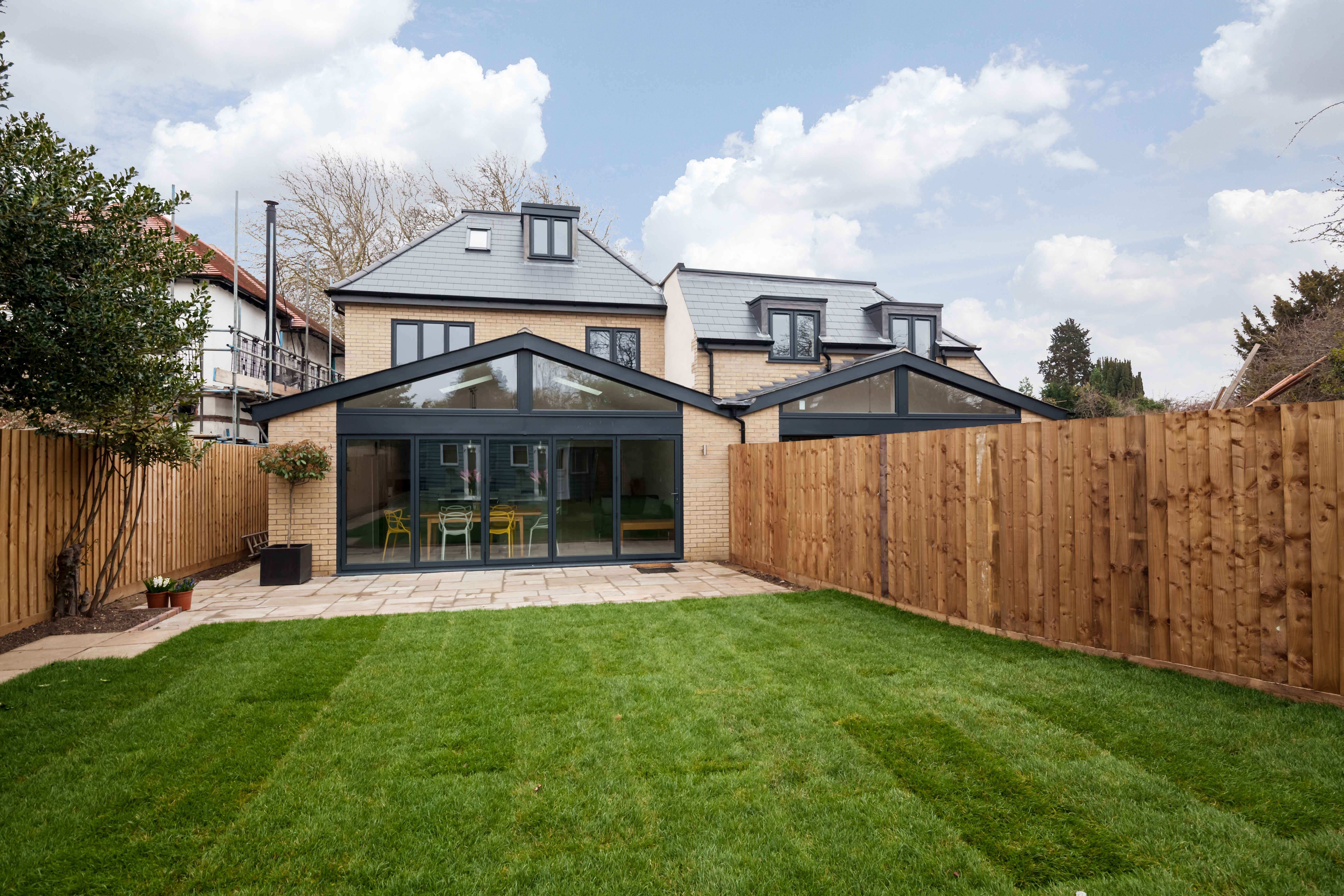
Explore the St Albans kitchen extension and St Albans dining extension. For wider options, read our kitchen extension design ideas guide.
Start a free cost and planning check or contact our St Albans architectural design practice. Design packages start from £1,950 + VAT; compare the agreed scope.
A useful next step for your home
Share a few project details to explore an initial budget and planning view.